
The control model changes when digital risk becomes operational, financial, safety or national-resilience risk.
Canadian AI Cyber™ organizes sector work around the systems, information and outcomes that matter most in each environment. The examples below describe areas of focus and do not imply client relationships, government endorsement or sector-specific certification.
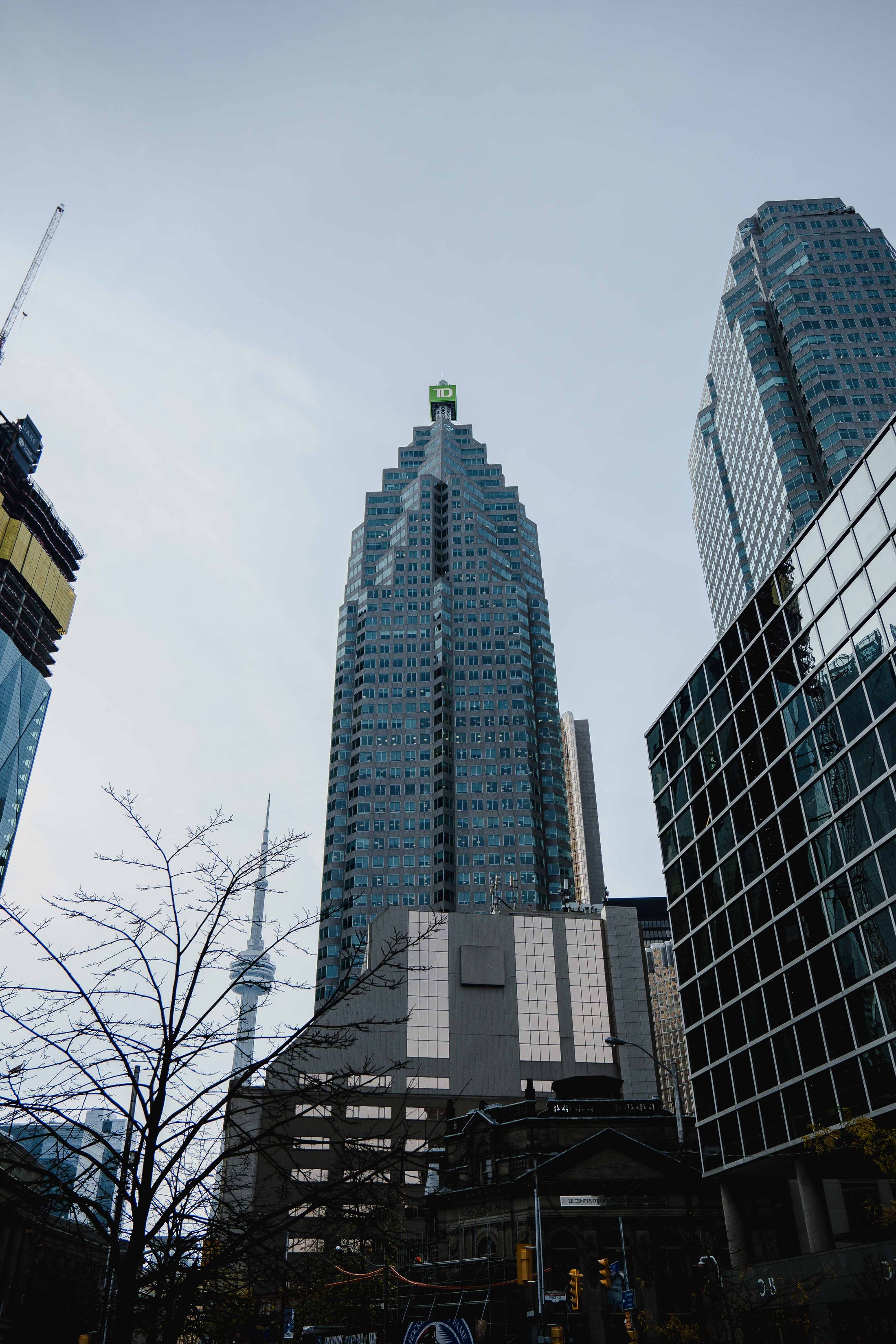
Financial Services
Cybersecurity for highly interconnected institutions where identity, data, third parties, AI, fraud-adjacent controls and service continuity converge.
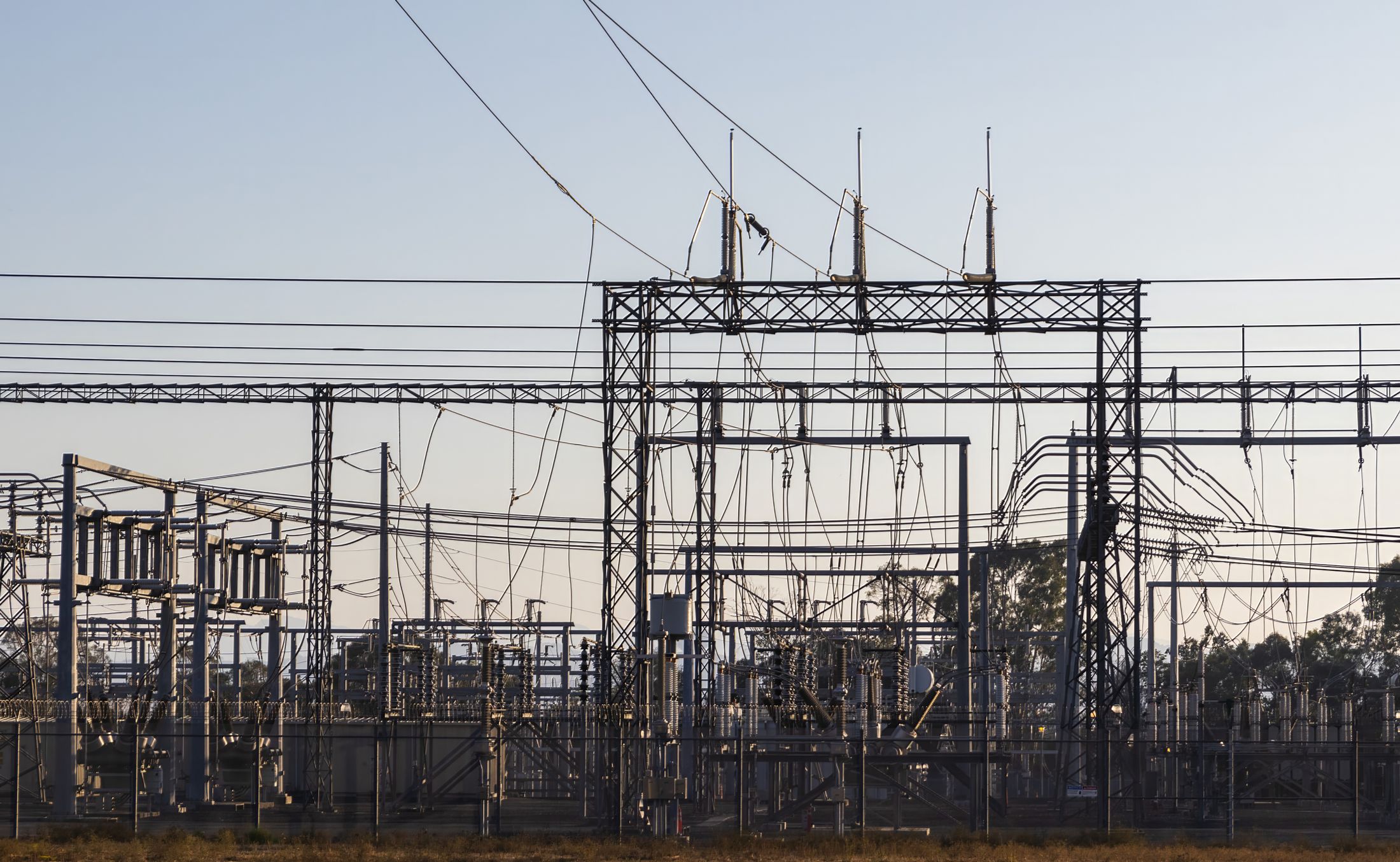
Critical Infrastructure
Cyber safety and resilience where digital incidents can affect physical operations, service continuity, public safety or economic stability.
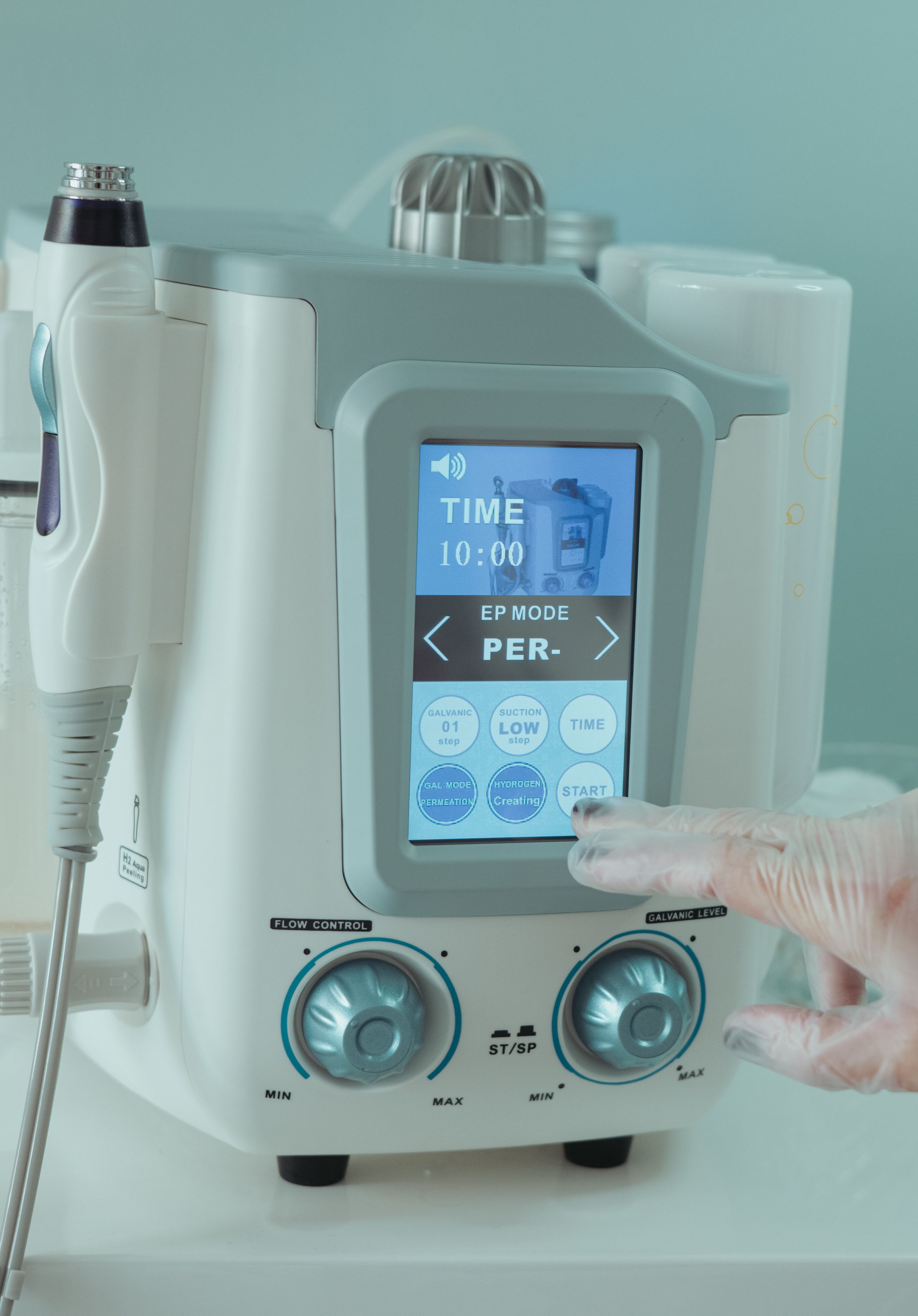
Healthcare
Security for clinical systems, connected devices, AI-enabled workflows and digital services where downtime and data exposure carry direct operational consequence.
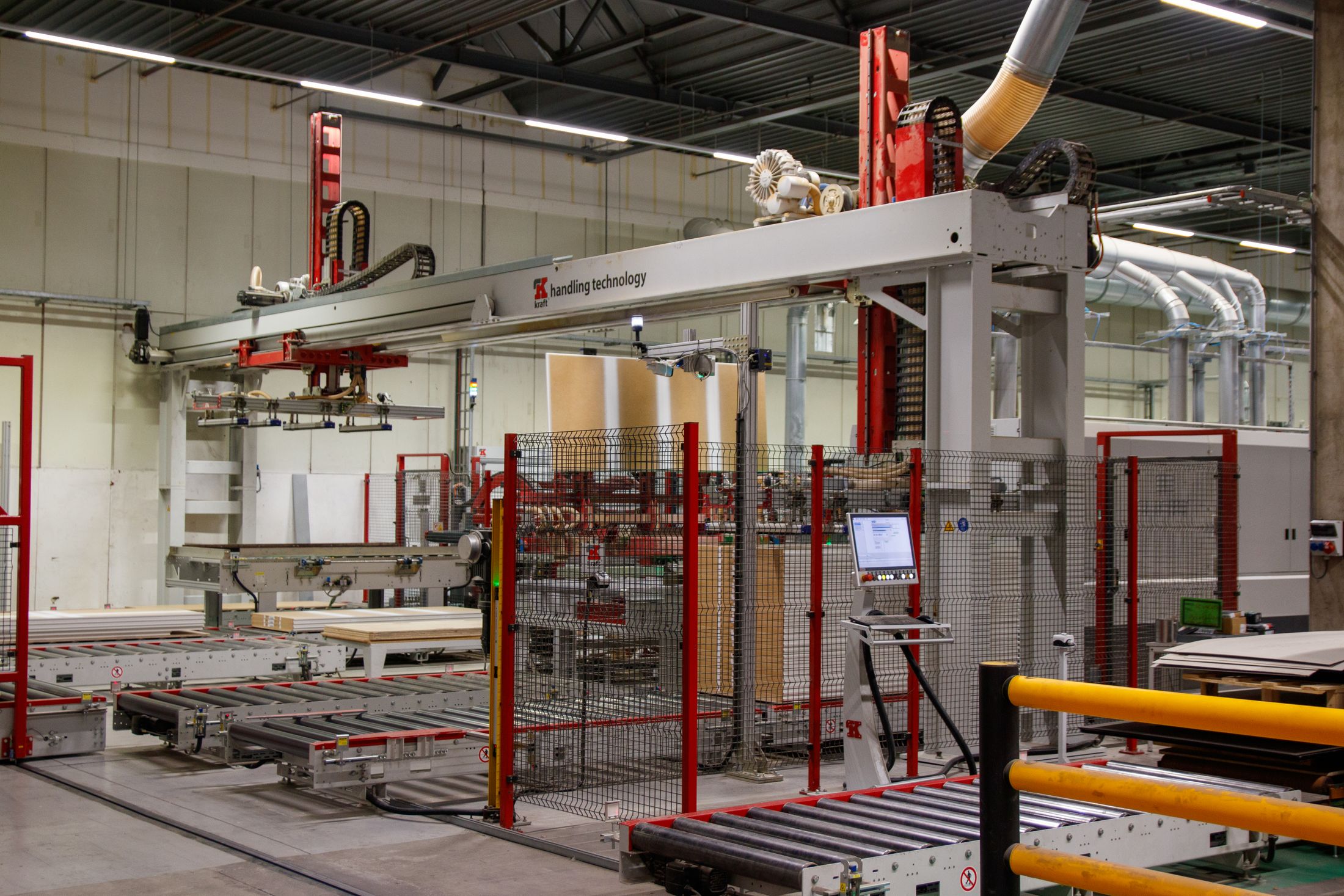
Industrial & Energy
Operational resilience across automation, engineering systems, industrial networks, privileged pathways and vendor access.

Defence & Aerospace
Secure engineering, software provenance, supply-chain assurance, cyber resilience and AI-security architecture for sensitive and high-assurance environments.
Technology & AI
Security architecture for cloud platforms, software products, data infrastructure, model systems and agentic applications that operate at enterprise scale.
Different sectors, different failure consequences.
The underlying security disciplines are reusable, but the design priorities change with the operating environment and the consequence of failure.
Preserve trusted access, data integrity and service continuity.
Priority areas include privileged identity, cloud concentration, third-party dependencies, cryptographic agility, AI governance, transaction-adjacent systems and evidence that supports resilience and regulatory obligations.
- Identity and administrative segregation
- Sensitive data and model access boundaries
- Supplier concentration and exit planning
- Recovery of critical services and trust roots
Design around safe operation and controlled degradation.
The architecture must account for digital-to-physical dependencies, remote access, engineering workstations, vendor pathways, segmentation and the ability to maintain essential operations when central services are unavailable.
- IT/OT dependency mapping
- Remote-access and privileged-path controls
- Safe degraded modes
- Trusted restoration of configuration and control
Protect care delivery as well as information.
Healthcare security connects identity, privacy, clinical availability, connected devices, AI-enabled workflows and third-party platforms with ransomware resilience and recovery.
- Clinical identity and high-availability access
- Connected-device and vendor pathways
- AI and data-governance boundaries
- Operational continuity and recovery
Keep automation observable, segmented and recoverable.
Industrial environments need architecture that respects engineering constraints while reducing unmanaged remote access, privilege, configuration drift and common-mode failure.
- Asset and configuration visibility
- Engineering access and change evidence
- Zone and conduit architecture
- Recovery of controllers, logic and supporting services
Secure sensitive engineering and software lifecycles.
Areas of focus include software provenance, supply-chain assurance, protected engineering environments, cyber resilience and AI security. Contract-specific classified, controlled-goods and export-control requirements must be assessed separately.
- Secure engineering workspaces
- Supply-chain and software provenance
- AI and data assurance
- Resilient mission-supporting infrastructure
Treat platform identity and software change as security infrastructure.
Technology companies need strong product and cloud security, tenant isolation, software-supply-chain controls, model and agent permissions, cryptographic services and evidence that scales with rapid deployment.
- Cloud and platform identity
- Secure build and release pathways
- Agent and model control boundaries
- Tenant, data and cryptographic isolation
Government & public-sector environments.
Potential areas of relevance include secure modernization, identity, cloud control, automated-system risk, data protection, post-quantum readiness and resilience. Canadian AI Cyber™ is independent and does not imply Government of Canada endorsement, procurement status or certification.